As was mentioned by Professor Croxall in class, Mrs. Dalloway, by Virginia Woolf, is written in stream of consciousness and it is hard to get through. Fortunately, I have read stream of consciousness books before, so I felt like I kind of knew what to expect.
That ended up not being the case.
It started out with the stream of consciousness of Mrs. Clarissa Dalloway herself, which I kept reminding myself as I read. But by the time I got to page 64, the stream of consciousness had shifted from her to Septimus to Lucrezia to Clarissa to some random bystanders to Lucrezia to Septimus to Maise Johnson to Mrs. Dempster to Clarissa again…you get the point. I could barely keep track of whose mind I was reading about.
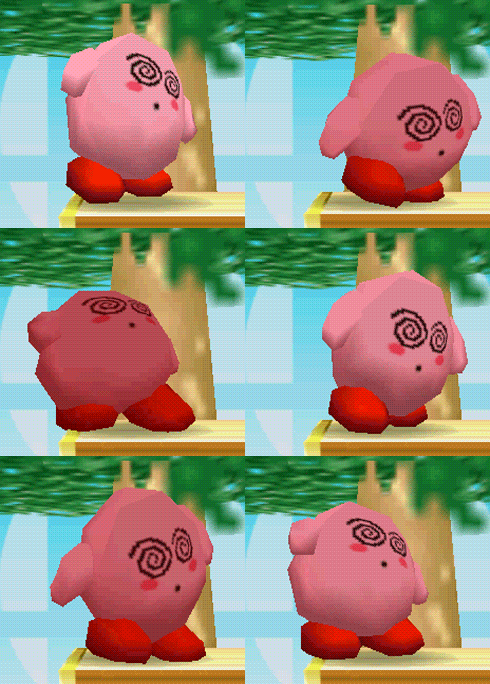
(Source: http://gph.is/1sDAX8C )
First off, I have not read a stream of consciousness book that jumps between characters. I found this confusing and really hard to follow. This, however, was just a simple observation.
The thought I was left with after finishing the reading was this: “Is this how my thoughts are throughout the day? Is this how other people are thinking throughout the day?”
So now what I am really wondering if is Virigina Woolf is exaggerating the stream of consciousness that every person experiences or if she is hitting it spot-on. As of right now, I’m not sure. I would have to spend a few days trying to consciously keep track of my thoughts as I go about my day. Then again, that would defeat the purpose of a stream of consciousness since I would be paying attention.
I can say that this is a bit of how I end up talking sometimes when I’m in a conversation with someone I know really well. When we excuse ourselves for “rambling,” we could also say, “Excuse my stream of consciousness.” (I think my husband would appreciate this phrase more.) But even though this happens occasionally, I am leaning towards the side of exaggeration of the stream of consiousness when it comes to reading Mrs. Dalloway.
